The blood test for Alzheimer’s is here
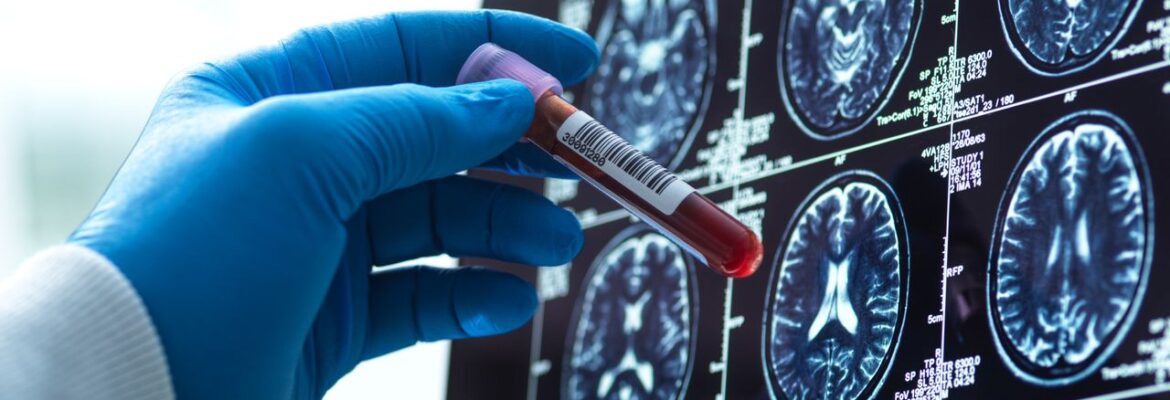
Last month, The The US Food and Drug Administration has approved a new blood test to help diagnose Alzheimer’s disease. Roche’s Elecsys pTau181 measures the concentration of a specific molecule – the phosphorylated form of the tau protein – in the blood. Tau is one of two proteins, the other being amyloid, that is deformed and accumulates in the brains of patients with certain types of dementia. It is believed that the accumulation of these proteins interferes with the communication of brain cells, which leads to the symptoms of these patients.
The test already received marketing authorization in Europe in July, making it the first early Alzheimer’s screening system for use in primary care to be approved in two of the world’s major pharmaceutical markets. With several other trials in advanced stages of testing and validation, this is a trailblazer in what should soon be a crowded field.
How do such tests work?
Elecsys pTau181 looks for a form of tau protein in blood plasma that has a phosphate group that is often found in high amounts in Alzheimer’s patients. This molecule is an indirect indicator of amyloid and neurofibrillary tau plaques, which are observed in the brains of patients with this disease.
Some other tests are also approved, but not for primary screening. It evaluates other biomarkers related to these two proteins. A test called Lumipulse, developed by the Japanese company Fujirebio, looks at the ratio between another form of phosphorylated tau (pTau217) and a key protein fragment that forms amyloid plaques (amyloid beta peptide 1-42).
The bottom line is that these tests provide clues to the possible presence of amyloidosis in the brain, which should then be more accurately diagnosed using more invasive tests, such as PET (positron emission tomography) scans and lumbar puncture cerebrospinal fluid analysis, which are considered the clinical gold standard for detecting amyloid pathology in living patients. However, even these are subject to some degree of uncertainty. True diagnostic certainty can only be achieved by postmortem brain dissection.
Why are we approving these tests now?
In the past, confirming the diagnosis of Alzheimer’s was not very important because there were no drugs or treatments that could change the course of the disease. But with the approval of new monoclonal antibody therapies for Alzheimer’s, the landscape has changed in the past few years.
To use these drugs, you need a way to confirm which patients can benefit from them. And since these drugs work best when used early in the disease’s progression, a relatively inexpensive, minimally invasive diagnostic test would be very helpful. It is impractical to subject all elderly people with suspected signs of cognitive decline to a PET scan and cerebrospinal fluid sampling, so blood testing for Alzheimer’s comes into play here.
How useful are these tests?
Elecsys pTau181 is the first test approved for use as a community screening tool. The idea is to do it at the primary care level – for example, by a primary care doctor or a general practitioner. The test has been shown to have good “negative predictive value” – that is, it shows exactly who is effective. does not They have amyloid disease. In a situation where the overall prevalence of amyloid disease is low, the negative result of this test is 97.9% reliable. This makes it useful for selecting patients to be referred for further testing.
The results are similar to those of other tests that have already been approved in recent months, such as Lumipulse from Japan’s Fujirebio, which in tests showed a negative predictive value of around 97 percent.
However, there is an important limitation to note: for all blood tests for Alzheimer’s, there is a relatively large proportion of patients (15-30% is a typical estimate) that fall into a gray area of uncertainty, where the levels of the detected biomarkers do not allow a positive or negative answer.
