
Chapman Freeborn mobilized emergency charters in the wake of Hurricane Melissa in Jamaica
-
Chapman Freeborn played a critical role in the immediate response to the Hurricane Melissa disaster, deploying charter solutions within hours of the hurricane making landfall in Jamaica.
-
The Category 4 hurricane caused catastrophic damage across Jamaica, with losses amounting to $6-8 billion, widespread destruction of infrastructure and more than 600,000 people affected.
-
Before the storm, Chapman Freeborn conducted extensive advance planning, coordinating with regional operators, monitoring NOTAMs and storm updates, and assigning personnel to Miami for real-time mission control.
-
The company has supported numerous government, NGO, defense and commercial customers, providing updates on aircraft availability, clearance guidance and operational risk assessments.
-
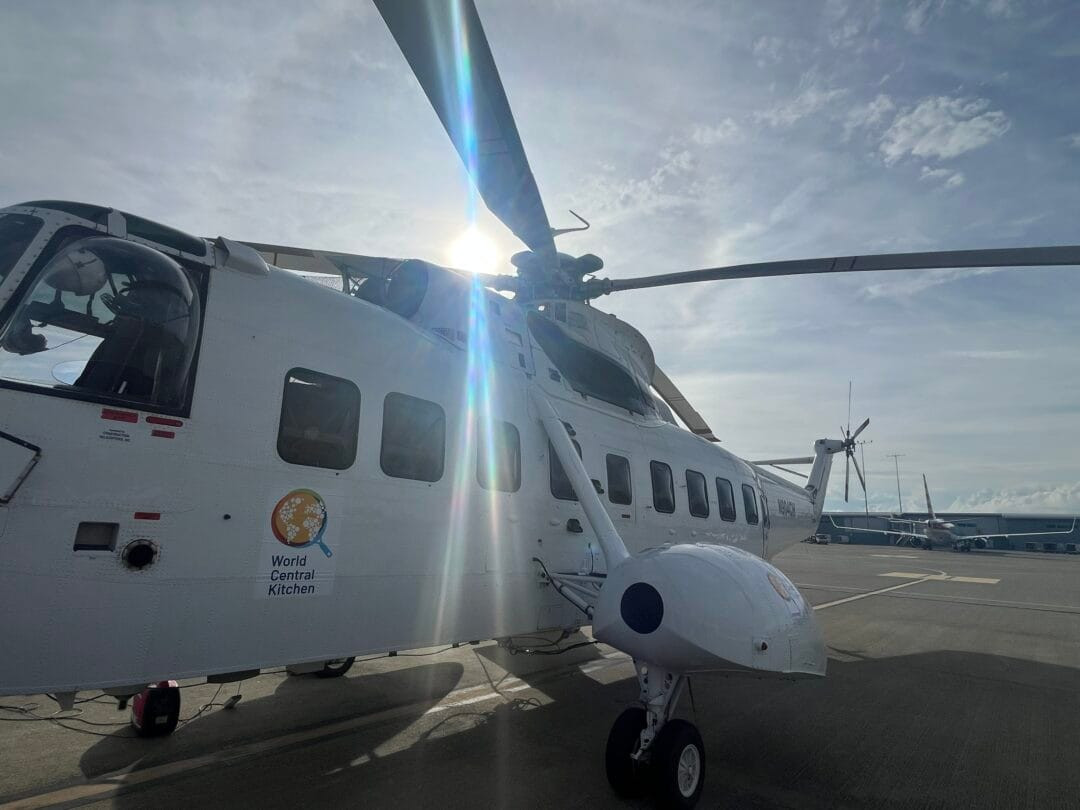
Chapman Freeborn moved Global Central Kitchen response teams from Miami to Kingston, mobilizing an S-61 heavy helicopter to support emergency operations on the ground.
-
Additional tasks included leasing Gulfstream G-IV aircraft and preparing a fleet of A320s, CASA C-212s, Antonov AN-12s and turboprops to meet evolving requirements. The AN-12 transported vital communications equipment to harsh and damaged environments.
As Hurricane Melissa tore through the Caribbean late last month, Chapman Freeborn, which specializes in charter flights, formed part of the immediate response effort. The company was transporting personnel and vital equipment from the USA directly to Jamaica just hours after the hurricane made landfall.
Hurricane Melissa formed in mid-October 2025 near West Africa, then grew rapidly over the Caribbean, following an erratic path across Jamaica, Cuba and the Bahamas before dissipating near Iceland in early November. Jamaica bore the brunt of the devastation – entire communities were destroyed, with widespread flooding, building collapses, and infrastructure failure. Preliminary estimates of damage range between $6 and $8 billion (about 30% of Jamaica’s GDP), with at least 32 deaths and numerous injuries reported. Overall, about 600,000 people were affected in Jamaica, and relief operations are expected to continue for several months.
While Melissa was gaining more power, Chapman Freeborn was preparing to deploy time-sensitive charters in the Caribbean. Advance planning efforts included advance coordination with regional operators, coordination with Chapman Freeborn’s 24/7 UK operations team to obtain the latest Notices to Airmen (NOTAMs), storm track updates and hazard notifications, as well as deployment of project management personnel to Miami to coordinate flights in real time.
“Prior to Melissa’s landfall, we received requests from numerous customers in the public, government, commercial, NGO and defense sectors,” says Cam Bolton-Wilson, vice president of government and humanitarian affairs for the Americas at Chapman Freeborn. “We inform our customers of everything from airport status updates and aircraft availability to operational permitting and potential schedules so we can respond as quickly as possible to any situation on the ground.”
One organization she reached out to was World Central Kitchen, which provides meals to communities affected by natural disasters. Chapman Freeborn transported the NGO’s response team from Miami to Kingston via an ERJ-145 regional jet. The company also mobilized an S-61 heavy duty helicopter from Michigan, USA to Grand Cayman Island, before sending it to Jamaica to support Global Central Kitchen operations in the heart of the affected area.
Chapman Freeborn also transported a second rapid response element from a US-based disaster response NGO to Jamaica via a Gulfstream G-IV, and had Airbus A-320, CASA C-212, Antonov AN-12 and a wide range of regionally stationed turboprop and rotary-wing aircraft available to support evolving mission profiles. The Antonov AN-12 is another aircraft
The multi-role aircraft is well known to Chapman Freeborn’s US shipping team and is well adapted for operations in harsh environments with low infrastructure. In this response operation, the aircraft was used to transport communications equipment to assist in coordination or relief efforts while critical infrastructure was being repaired. The mission profiles completed and aircraft used reflect the range of operations, diverse operator network and disaster response airlift capabilities of Chapman Freeborn USA.
“The nature of disaster response operations is very different from traditional charters,” Bolton-Wilson explains. “There is no time to waste, so we have to be prepared to go into unstable or developing environments to provide the necessary assistance. We strive to act ethically and ensure the best possible solutions, balancing schedule, cost and operational needs against rapidly evolving operating environments.”
Chapman Freeborn not only provides immediate access to the project’s aircraft, but also provides dynamic flight support and mission management. What is especially important in rapidly evolving situations is managing stakeholder expectations and explaining realistic capabilities, as Bolton Wilson points out:
“Even in challenging situations, the regulatory environment still applies to air travel, so evolving needs on the ground cannot always drive air transportation solutions. Our brokerage team matches aircraft to mission details, providing essential stability and project control during what can be a chaotic planning phase.”
While many of the aircraft acquired by Chapman Freeborn were ultimately not needed due to rapidly changing needs, the company provided critical initial deployment solutions for first wave responders, and continued support to relief efforts in Jamaica with its contracted S-61 heavy lift helicopter. The aircraft arrived within hours of the hurricane’s landfall, providing versatile, high-impact airlift capabilities to World Central Kitchen and the people of Jamaica until November 9, before returning to its home base in the United States.
