A new light-based cancer treatment kills tumor cells and spares healthy cells
in a fight Against cancer, an important area of research is the search for safe alternatives to chemotherapy and radiotherapy. These treatments attack both cancer cells and healthy cells, exposing patients to serious side effects.
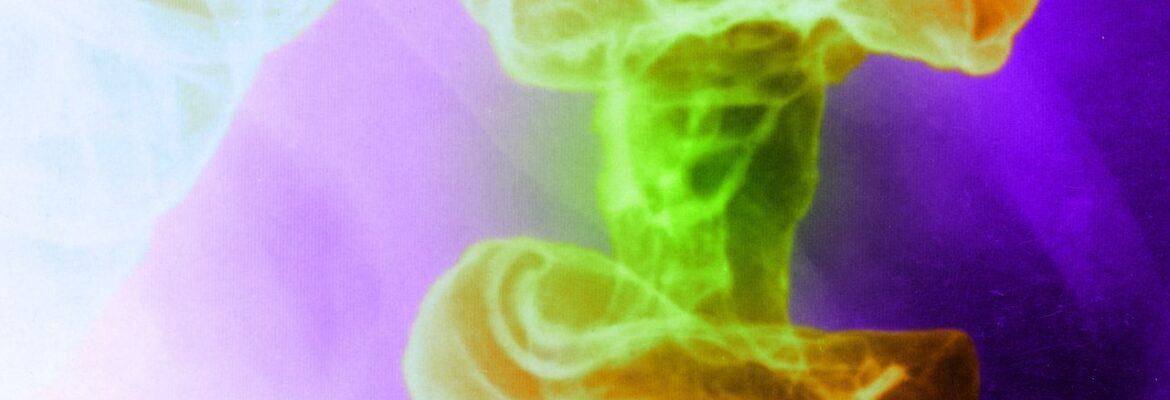
A team of scientists from the University of Texas at Austin and the University of Porto in Portugal have recently brought an alternative one step closer. They have developed materials that are able to efficiently and safely convert near-infrared, or NIR, light into heat that can be powerfully targeted against cancer cells. Their material is tin oxide (SnOx) Nanoflakes, tiny particles whose thickness is less than 20 nanometers (one nanometer is one thousand millionth of a meter).
The team’s findings, published in the journal ACS Nano, offer new hope for the design of photothermal therapies, the name given to this type of light-based therapy.
Photothermal therapy is a non-invasive method that heats cancer cells to destroy them. It works by penetrating cancer cells with substances that absorb light and convert it to heat – in this case, SnO.x Nanoflakes – which can be designed to specifically accumulate in tumor tissues. They are then targeted with light at a wavelength that gives the material the energy it needs to produce cancer-killing heat, but not damage healthy tissue.
The researchers suggest that their SnOx Nanoflakes can improve these types of treatments by providing thermal efficiency, biocompatibility, and cost-effectiveness compared to other materials used in such processes.
“Our goal was to create a treatment that is not only effective, but also safe and accessible,” said Jean-Anne Inkoria, a UT engineering professor and one of the project’s leaders, in a press release. By combining LED light and SnOx We have developed a method to precisely target cancer cells while leaving healthy cells intact.
To evaluate the thermal efficiency of their new material, the team developed a proprietary system based on near-infrared LEDs (NIR-LEDs) that emit light at a wavelength of 810 nm, which is safe for biological tissues. Unlike traditional laser systems, NIR-LED provides more homogeneous and stable illumination, reduces the risk of overheating and requires minimal investment. The entire test suite, capable of irradiating up to 24 samples simultaneously, costs approximately $530, making it an affordable and versatile tool for biomedical research.
Results from NIR radiation to SnOxTreated cancer cells have been encouraging. In less than 30 minutes of exposure, the method killed up to 92 percent of skin cancer cells and 50 percent of colon cancer cells, UT reported. This was achieved without any harmful effects to healthy skin cells, which demonstrates the safety and selectivity of this method.
